How Long Does Ceramic Coating Last in Thousand Oaks Weather?
Ceramic coating has become the gold standard for long-term vehicle protection, especially in regions like Thousand Oaks where environmental conditions can significantly impact a car’s exterior. When properly applied and maintained, a high-quality ceramic coating can last anywhere from 2 to 7 years, depending on the product grade, application process, and aftercare routine.
In Thousand Oaks, the lifespan of ceramic coating is influenced by a combination of sun exposure, mild coastal humidity, occasional rainfall, and airborne contaminants. Unlike traditional wax or sealants, ceramic coatings chemically bond with the vehicle’s paint, creating a semi-permanent protective layer that resists oxidation, UV damage, and chemical stains.
Key Weather Factors That Affect Ceramic Coating Longevity
UV Radiation and Sun Exposure
Thousand Oaks experiences abundant sunshine throughout the year. Constant UV exposure is one of the biggest threats to automotive paint. Ceramic coatings are designed with UV inhibitors that significantly slow down paint fading and oxidation. In this environment, coatings tend to perform exceptionally well, often reaching the upper end of their lifespan when maintained correctly.
Temperature Fluctuations
While Thousand Oaks has relatively stable weather, temperature shifts between warm days and cooler nights can still affect the expansion and contraction of your car’s surface. High-quality ceramic coatings are engineered to handle these variations without cracking or degrading, preserving their protective properties over time.
Airborne Contaminants and Dust
Dust, pollen, and pollution particles are common in suburban California areas. These contaminants can settle on your vehicle and, if left untreated, reduce the effectiveness of the coating. However, ceramic coatings provide a hydrophobic surface that makes it easier to rinse away debris, maintaining a cleaner finish for longer periods.
Moisture and Rain
Although rainfall is not excessive in Thousand Oaks, occasional rain combined with environmental pollutants can lead to water spotting. Ceramic coatings minimize this issue by repelling water and preventing minerals from bonding to the paint surface.
PURE PPF Satin Tungsten Steel | Vossen Evo-3R 3-Piece | R8 Transformstion
Processing video...
Types of Ceramic Coatings and Their Lifespan
Entry-Level Ceramic Coatings (1–2 Years)
These coatings are typically consumer-grade and offer basic protection. While they provide improved gloss and hydrophobic properties, their durability in Thousand Oaks weather is limited. They are best suited for short-term protection or budget-conscious vehicle owners.
Maintenance Practices That Extend Coating Life
Routine Washing
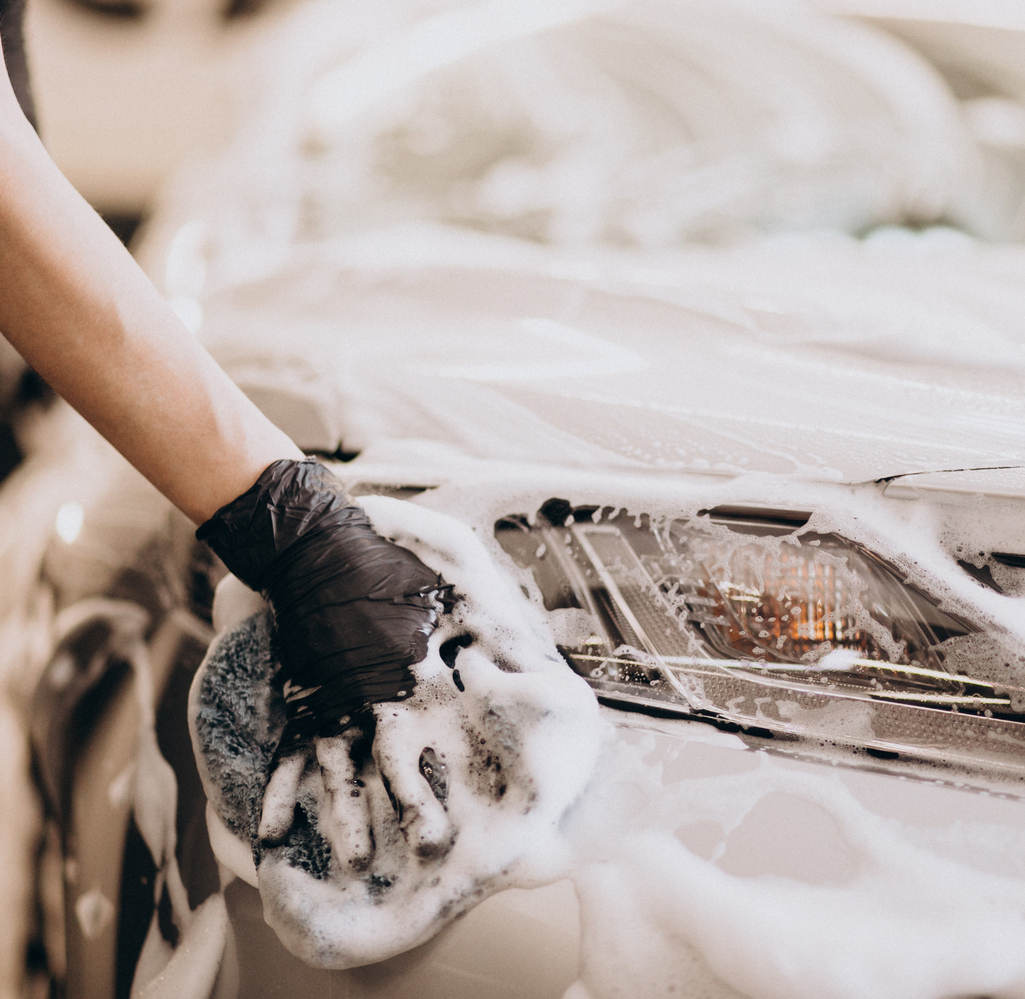
Frequent washing using a pH-neutral shampoo prevents dirt buildup that can degrade the coating. In Thousand Oaks, where dust accumulation is common, washing your vehicle every one to two weeks is ideal.
Avoiding Automatic Car Washes
Harsh brushes and chemicals found in automatic car washes can prematurely wear down ceramic coatings. Hand washing or touchless systems are strongly recommended.
Using Maintenance Sprays
Ceramic booster sprays help rejuvenate the coating’s hydrophobic properties and add an extra layer of protection against environmental stressors.
Annual Inspections
Periodic inspections by a professional detailer ensure that the coating is performing as expected and allow for timely touch-ups if needed.